Management Brief
This policy sets out information about safeguarding for WWC, how we put our safeguarding commitments into practice and how to raise a safeguarding concern.
Contents
1. Introduction
2. Applicability
3. What is Safeguarding?
4. What do we mean by ‘child’?
5. What do we mean by ‘adult at risk’?
6. What is abuse?
7. Safeguarding Steering Group
8. Safeguarding Team
9. Reporting a Concern
10. Safeguarding Training & Awareness
11. Safer Recruitment
12. Standards of Behaviour
13. Position of Trust
14. Working Safely and Risk Assessments
15. Data Protection
16. Roles and responsibilities
17. Approval and Version Control
1. Introduction
1.1 We are committed to safeguarding children, young people, and adults at risk. The purpose of this policy is to clearly communicate the steps WWC must take to ensure appropriate safeguarding measures are consistently applied to all activities and how to raise safeguarding concerns.
1.2 We all share an important responsibility to protect and promote the safety and wellbeing of others, and in particular children and adults who are at risk of abuse.
1.3 It is essential that we are all able to recognise safeguarding risks and concerns and know how to respond to these. Please take time to familiarise yourself with this Standard and its associated documents. Ensure that you regularly refresh your knowledge and understanding, promote the commitments of the WWC and get in touch with our Safeguarding Team (details below) if you have any questions or concerns.
2. Applicability
This policy applies to all employees, volunteers, trustees, and anyone else working for or on behalf of the WWC.
3. What is Safeguarding?
3.1 Safeguarding means the measures we put in place to protect one another from harm or abuse.
3.2 Whilst the primary focus of safeguarding is the protection of children and ‘adults at risk,’ pastoral care is at the heart of our values and we will take seriously any report of suspected harm, abuse or neglect, no matter whom it relates to.
4. What do we mean by ‘child’?
4.1 A child is someone who has not yet reached their 18th birthday.
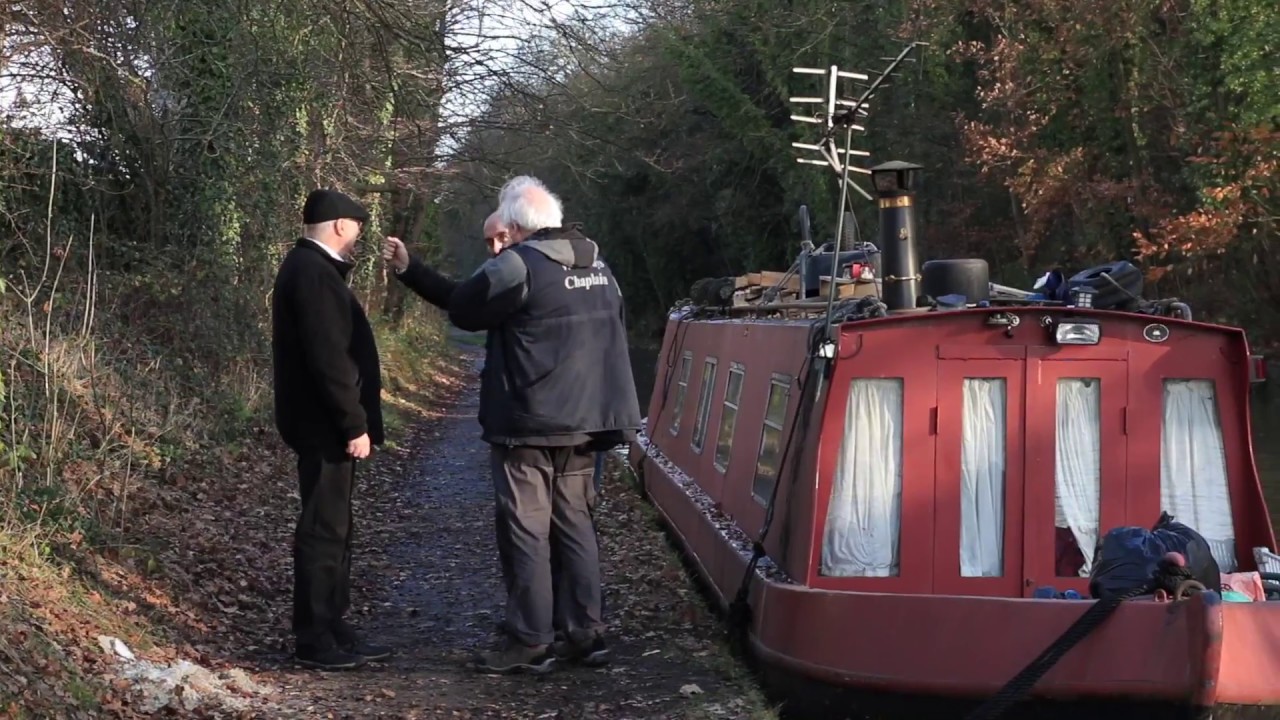
4.2 We do not work specifically with children. However, we have occasional contact with children through public events and general encounters on the towpath, at marinas and in other public spaces.
5. What do we mean by ‘adult at risk’?
5.1 An ‘adult at risk’ is any person who:
- Is aged 18 years or over.
- has needs for care and support (whether the local authority is meeting any of those needs).
- is experiencing, or at risk of, abuse or neglect; and
- because of their care and support needs, is unable to protect themselves from the risk or experience of abuse or neglect.
5.2 We may encounter ‘adults at risk’ within our boating community, our chaplains, and supporters, and through our activities and events.
5.3 It will not always be obvious that you are interacting with an ‘at risk’ adult. We do not expect you to assess whether someone is an ‘adult at risk’ before reporting concerns about abuse or neglect. If you feel that someone is at risk of abuse or neglect, tell the safeguarding team (details of how to do this are set out below).
6. What is abuse?
6.1 There are four recognised categories of abuse relating to children: physical abuse; sexual abuse; emotional abuse; and neglect.
6.2 There are ten recognised categories of abuse relating to adults: physical abuse; psychological abuse; financial or material abuse; sexual abuse; neglect and acts of omission; self-neglect; organisational abuse; domestic abuse; modern slavery; and discriminatory abuse. We are also mindful of spiritual and coercive control.
6.3 ThirtyOneEight supports the WWC in understanding these matters, and you can find additional information here.
7. Safeguarding Trustee and Designated Safeguarding officer (DSO) and board of Trustees overall responsibility.
7.1 We have an appointed Safeguarding Trustee, and Safeguarding is a standing item on every quarterly WWC trustee meeting agenda.
7.2 The Chief Executive serves as the DSO and undertakes specific training for the role.
8. Safeguarding Team
As a small charity (volunteers), WWC does not have the capacity to have a designated Safeguarding Team. However, every WWC is part of a hub that has monthly meetings and this is the forum for each chaplain to relate safeguarding concerns in a suitably confidential manner. Each chaplain receives support from ThirtyOneEight and has access to the contact information for their hub, area lead, and the DSO (Chief Executive).
Safeguarding is everyone’s responsibility.
9. Reporting a Concern
9.1 Safeguarding concerns may originate from various sources:
- An individual may tell you that they or someone else are suffering abuse or neglect.
- An individual may tell you something which makes you suspect that or someone else they are suffering abuse or neglect.
- You may witness abuse taking place.
- You may see signs of abuse or neglect.
9.2 You must report safeguarding concerns to Local Authority for the area without delay. You do not need proof—reasonable concern is enough. If you are unsure, the contact our Safeguarding support team of ThirtyOneEight on their help line. The phone number is on the Safeguarding reporting section of general online reporting form.
9.3 Important Note: If you ever feel anyone is in immediate danger of serious harm, call 999 and seek assistance from the relevant emergency services before contacting the Local Authority.
9.4 We recognise that not all concerns are easy to categorise. If in doubt – contact ThirtyOneEight or, speak to your hub lead/senior. We take all concerns seriously.
9.5 If you become concerned, either due to information you received or something you observed, promptly document what you saw or heard while the details are still clear in your memory.
Keep information factual.
Do not investigate the concern yourself.
After talking the matter through with ThirtyOneEight they will email you a summary of your report of the situation and their advice.
9.6 After you have read and understood that email and taken any necessary actions, please forward the email to the Safeguarding Register held on: safeguarding@waterwayschaplaincy.org.uk After the safe arrival of that email has been noted please delete all associated emails and documents (both electronic and hardcopy) you hold about the matter. Deleting unnecessary duplicates helps the WWC to comply with its data protection obligations.
9.7 Every concern entered in the Safeguarding Register will receive genuine attention. The DSO will assess the case and progress it appropriately. The safeguarding register will include all recorded details.
9.8 The WWC trustees determine when it is necessary to report a serious incident to the Charity Commission.
9.9 If you have a sincere concern about safeguarding at WWC which you do not consider it is appropriate to raise to the DSO, please raise it with the Chair of Trustees or Safeguarding trustee.
10. Safeguarding Training & Awareness
10.1 All employees, volunteers and trustees, must complete a level of safeguarding training appropriate to the role. A review must take place once every three years. WWC Chaplains should undertake the following:
- Basic Safeguarding Awareness
- Foundations Safeguarding
- Raising Awareness of Domestic Abuse Safeguarding
The training can be done online and is accessed through the Church of England Safeguarding training portal.
The CEO (acting as DSO) and Senior WWC additionally need to do the Safeguarding Leadership Pathway training or Safeguarding Learning for PTO.
Trustees should undertake Basic Safeguarding Awareness & Foundation training.
The Chair of Trustees and the Lead Trustee for Safeguarding should additionally undertake Leadership training.
10.2 Along with electronic training, face to face training will be available at times through the year.
Please note: You can find the documents mentioned in this policy on the BrightHR documents page or request them by emailing safeguarding@waterwayschaplaincy.org.uk.
11. Safer Recruitment
11.1 Safe recruitment practices enable us to promote a safe environment and culture across the Waterways Chaplaincy for everyone we meet. It helps us to identify applicants who share our values and minimise the risk of engaging individuals who may cause harm to others.
11.2 The Senior Leadership Team, which consists of the CEO and regional leaders, is responsible for making sure staff and volunteers are hired in accordance with government safer hiring guidelines. This means providing a written job description with safeguarding duties, DBS checks, and training requirements.
11.3 Those applying have completed an application form.
The candidates who were shortlisted have already been interviewed.
The interview included a discussion on safeguarding.
11.6 Written references have been obtained and followed up where appropriate.
11.7 Where applicable, a self-declaration form and the relevant DBS (England and Wales) have been completed. We will adhere to the code of practice requirements regarding fair treatment of applicants and proper handling of information.
11.8 The qualifications have been verified.
11.9 Assess any criminal record information provided by applicants or revealed through DBS checks and make sure to move forward with the appointment only if the risks are manageable and all necessary approvals have been secured.
11.10 A suitable training programme and induction is provided for the successful applicant.
11.11 The applicant has completed a probationary period.
11.12 The applicant has a copy of the organisations safeguarding policy and is aware how to report concerns.
11.13 Ensure worker has completed the required safeguarding training in suitable time.
12. Standards of Behaviour
12.1We all have a right to be treated with dignity and respect. By ensuring that we treat each other appropriately, we act in line with the Chaplaincy’s values and help to safeguard each other’s wellbeing. See our EDI policy, probationer’s handbook, and other chaplaincy literature.
13. Position of Trust
13.1 All adults working with children, young people and vulnerable adults are in a position of trust. All those in positions of trust need to understand the power this can give them over those they care for and the responsibility they have because of this relationship.
13.2 It is vital that all workers ensure they do not, even unknowingly, use their position of power and authority inappropriately. They should always maintain professional boundaries and avoid behaviour which could be misinterpreted.
13.3 The WWC is founded on reflective practice. All WWC openly encourage positive and critical reflection on their work.
13.4 As of April 2022, it is illegal in England and Wales and Northern Ireland for those in Positions of Trust in a faith setting to engage in sexual activity with a 16- or 17-year-old under their care or supervision.
14. Working Safely and Risk Assessments
14.1 All activities involving children, young people and/or adults at risk must be carefully planned. This includes online activities and activities which involve processing sensitive information about children and adults at risk.
14.2 Where a recent activity of a type not previously undertaken by the chaplaincy involves children or adults at risk, you must take advice from the DSO in advance.
14.3 Appropriate risk assessments must be conducted in respect of all activities and events.
14.4 Completed risk assessments must be securely stored in a location which can be accessed by other colleagues for the purposes of arranging absence cover and conducting audits.
14.5 The following must be incorporated into activity planning and risk assessments:
- Planning must comply with the provisions of this policy.
- Attention must be given to health and safety requirements.
- Any risks associated with the age of participants must be considered and assessed.
- Any risks associated with the individual needs of participants must be considered and assessed, for example disabilities and/or the need to be supported by a career.
- Determine if parental or guardian consent is necessary for someone to take part in the planned activity.
- Plan to avoid 1:1 situation as far as is possible.
- Where feasible, refrain from working alone; if lone working is unavoidable, ensure it is planned and conducted in line with the WWC Lone Working Policy, available under the Bright HR documents tab.
- Describe the procedures for handling safeguarding issues.
15. Data Protection
15.1. WWC takes its data protection obligations seriously. However, it is important to remember that these obligations are not a barrier to taking appropriate action in response to safeguarding concerns. Our standards are designed to prioritise safety and wellbeing within the boundaries of acceptable data protection practices. Reporting concerns to the safeguarding team will not breach data protection laws.
15.2. We record safeguarding information in secure locations and appropriately limit access to that information. See 11.7.
15.3. We only share personal data when it is appropriate to do so, for example when we know or have concerns that someone has been abused or harmed or is at risk of abuse or harm.
16. Roles and Responsibilities
16.1. The Trust Board will:
- Familiarise itself with the Charity Commission Safeguarding Guidance for Trustees.
- Make safeguarding a key governance priority.
- Understand and manage the risks.
- Ensure the right safeguarding policies and procedures are in place and reviewed annually.
- Have safeguarding as a standing agenda item at quarterly board meetings and receive a report.
- Receive an annual safeguarding report.
16.2. The Designated Safeguarding Officer (DSO) will:
- Oversee the safeguarding register.
- Oversee the disclosures on BDS form of applications to WWC.
- Consult with safeguarding trustee where appropriate.
16.3. The Safeguarding Trustee will:
- Deal promptly and appropriately with safeguarding issues.
- Support DSO in identifying safeguarding risk areas and driving awareness.
- Champion a good safeguarding culture throughout WWC and wider.
16.3. All WWC Colleagues will:
- Comply with this policy.
- Consider safeguarding risks in relation to all activities and implement necessary controls.
- Complete all mandatory safeguarding training.
- Promptly report any safeguarding concerns through the appropriate channels.
17 Approval & version control
Version number: 1.1
Date approved: 23 April 2026
Version implementation date: 23 April 2026